OUTLINE I. We must pray II. Who we must pray for III. Why we must pray
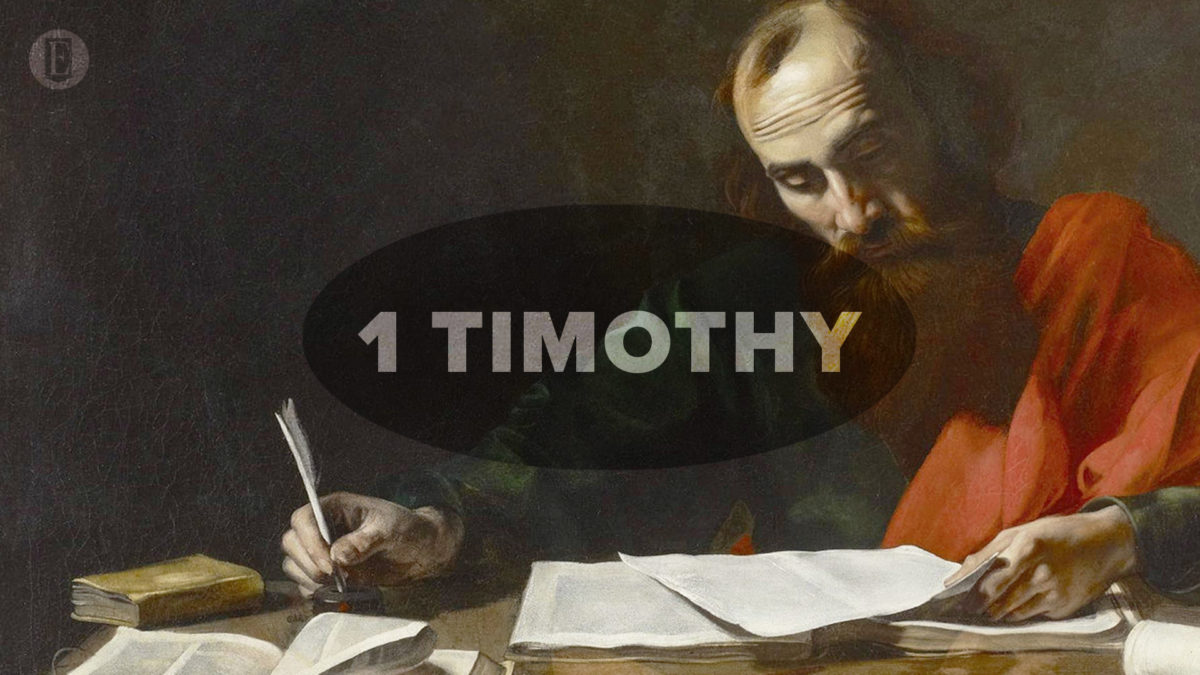
1 TIMOTHY 2:1-7 First of all, then, I urge that supplications, prayers, intercessions, and thanksgivings be made for all people, 2 for kings and all who are in high positions, that we may lead a peaceful and quiet life, godly and dignified in every way. 3 This is good, and it is pleasing in the sight of God our Savior, 4 who desires all people to be saved and to come to the knowledge of the truth. 5 For there is one God, and there is one mediator between God and men, the man[a] Christ Jesus, 6 who gave himself as a ransom for all, which is the testimony given at the proper time. 7 For this I was appointed a preacher and an apostle (I am telling the truth, I am not lying), a teacher of the Gentiles in faith and truth.
OUTLINE I. Our unfaithfulness brings reproach upon the name of the LORD (v.23-27) II. For the sake of His name, the LORD overrules our unfaithfulness and causes us to glorify Him again (v.28-31) III. Samson is never more reminiscent of Jesus than in his death
Read verses 23-24. Why do the Philistines gather? Who did they sacrifice to? Why did they worship Dagon here? How does the LORD humiliate the idol Dagon and his worshipers in 1 Samuel 5:1-5?
Read verses 25-27. Why did the Philistines bring Samson out in the midst of their rejoicing? How many Philistines, and of what kind, were present? What does Samson do when he is brought out and how does this further show his cunning?
Read verse 28. What did Samson ask of the LORD? Why did he ask this? Do you think this was the right motivation—how does Deuteronomy 32:35-36 shed light on the answer? What would have been the right motivation?
Read verses 29-31. What did Samson do after he was placed by the pillars? In what way is Samson like Jesus? In what ways is he different? What can we learn from the life and death of Samson?
THE PSALMS, AN ANATOMY OF THE SOUL “I have been accustomed to call this book, I think not inappropriately, ‘An Anatomy of all the Parts of the Soul;’ for there is not an emotion of which any one can be conscious that is not here represented as in a mirror. Or rather, the Holy Spirit has here drawn to the life all the griefs, sorrows, fears, doubts, hopes, cares, perplexities, in short, all the distracting emotions with which the minds of men are wont to be agitated. The other parts of Scripture contain the commandments which God enjoined his servants to announce to us. But here the prophets themselves, seeing they are exhibited to us as speaking to God, and laying open all their inmost thoughts and affections, call, or rather draw, each of us to the examination of himself in particulars in order that none of the many infirmities to which we are subject, and of the many vices with which we abound, may remain concealed. It is certainly a rare and singular advantage, when all lurking places are discovered, and the heart is brought into the light, purged from that most baneful infection, hypocrisy. In short, as calling upon God is one of the principal means of securing our safety, and as a better and more unerring rule for guiding us in this exercise cannot be found elsewhere than in The Psalms, it follows, that in proportion to the proficiency which a man shall have attained in understanding them, will be his knowledge of the most important part of celestial doctrine. …”
THE PSALMS, POINTING US TO SALVATION IN CHRIST “Moreover although The Psalms are replete with all the precepts which serve to frame our life to every part of holiness, piety, and righteousness, yet they will principally teach and train us to bear the cross; and the bearing of the cross is a genuine proof of our obedience, since by doing this, we renounce the guidance of our own affections and submit ourselves entirely to God, leaving him to govern us, and to dispose of our life according to his will, so that the afflictions which are the bitterest and most severe to our nature, become sweet to us, because they proceed from him. In one word, not only will we here find general commendations of the goodness of God, which may teach men to repose themselves in him alone, and to seek all their happiness solely in him; and which are intended to teach true believers with their whole hearts confidently to look to him for help in all their necessities; but we will also find that the free remission of sins, which alone reconciles God towards us and procures for us settled peace with him, is so set forth and magnified, as that here there is nothing wanting which relates to the knowledge of eternal salvation.” – John Calvin, introduction to his commentary on The Psalms
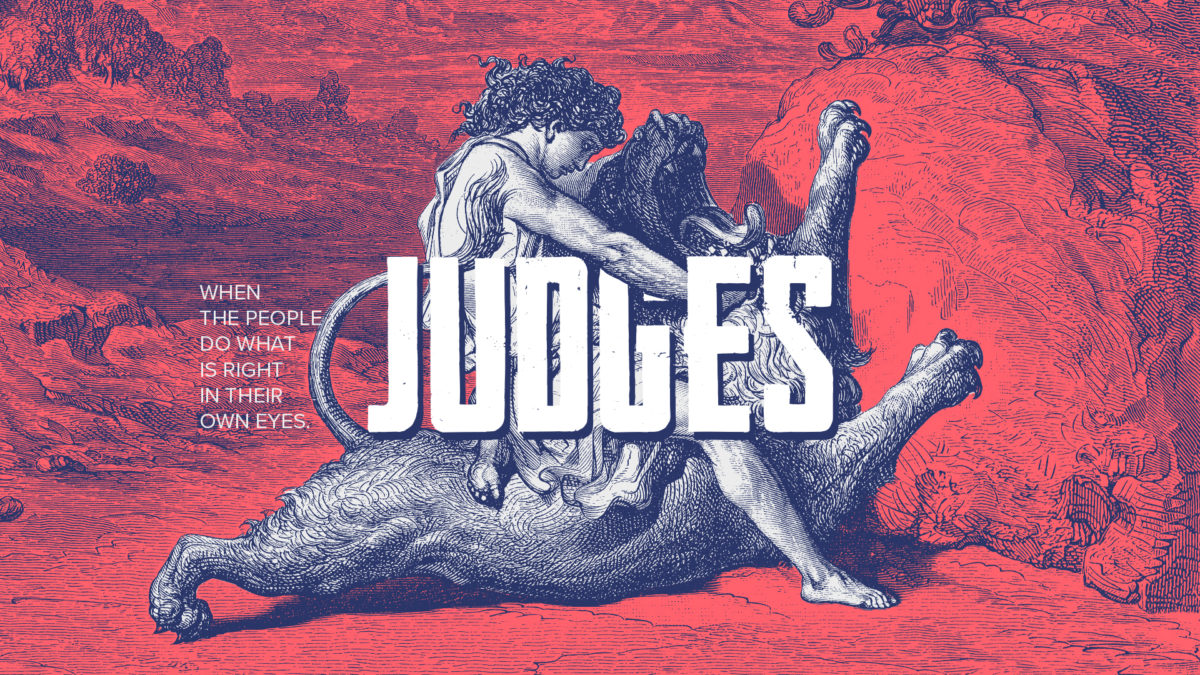
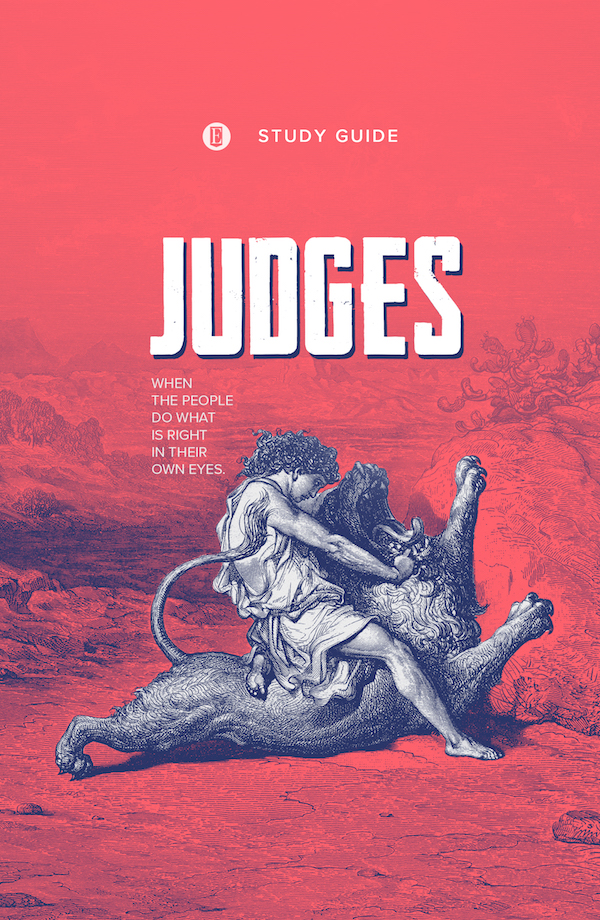
After the conquest of Canaan, depicted in the book of Joshua, the people of God spent around 350 years in a despicable cycle of joy and sorrow detailed in the book of Judges. Judges tells the sad story of the people doing what was right in their own eyes, which lead to constant misery and the need for a deliverer.
In simplest terms, the book of Judges reveals how the LORD’S people are half-hearted at best and full-blown idolatrous at worst. There is an endless cycle of unfaithfulness, discipline, regret, deliverance, and unfaithfulness again. As soon as a judge dies, the people forget the LORD.
This brings us to an important point—the story of Judges should ultimately make us long for the true and better deliverer, Jesus. Jesus is the king who not only rules over his people with justice and equity but also with grace and mercy. He not only delivers us from our great enemies sin and death but also changes our hearts so that we no longer deeply desire to do what is right in our “own eyes.” By God’s grace, Jesus changes us to desire to do what is right in his eyes. He does not simply deliver us for a time but buys for us an eternal redemption by his cross and resurrection. He is the king who—at great cost to himself—delivers us from all danger and rules over us in all joy. He is the eternal king we need and long for.
All who take refuge in Jesus… I. Will be preserved by the LORD (v.1) II. Have all the good they need—they have found the One whom their soul loves (v.2,5-6) III. Delight in His saints and detest the way of idolators (v.3-4) IV. Praise the LORD as they listen to His counsel (v.7-8) V. Are glad and rejoice (v.9) VI. Will never be abandoned nor see corruption (v.10) VII. Will be joyfully satisfied in His presence forever (v.11)
Read verses 1-3. What did Samson do when he went to Gaza? What has characterized Samson thus far in the book of Judges? What else stands out to you in these verses and why?
Read verses 4-9. How is this scene reminiscent of Judges 14:15-18? In what ways are they alike? In what ways are they different? What does Samson tell Delilah when she asks for his secret?
Read verses 10-17. What seems to be Samson’s Achilles heel? What else stands out to you in this passage and why?
Read verses 18-22. What does the writer say happened when Samson had his hair cut off? Does there seem to be some kind of irony here? What did the Philistines do to Samson after his strength left? What does verse 22 imply? What else stands out to you in these verses and why?
“After being released from his first Roman imprisonment (cf. Acts 28:30), Paul revisited several of the cities in which he had ministered, including Ephesus. Leaving Timothy behind there to deal with problems that had arisen in the Ephesian church, such as false doctrine (1:3–7; 4:1–3; 6:3–5), disorder in worship (2:1–15), the need for qualified leaders (3:1–14), and materialism (6:6–19), Paul went on to Macedonia, from where he wrote Timothy this letter to help him carry out his task in the church (cf. 3:14,15).” – John MacArthur
Read verses 1-8. What does Samson do when he learns that his wife has been given to his companion? What does he do to the Philistines who “burned [his wife] and her father with fire”? How does the narrative move forward, with forgiveness and reconciliation or retaliation and retaliation? How should this make us long for Jesus?
Read verses 9-13. What did the Philistines do when they learned of Samson—that the LORD had raised him up as a judge for Israel? What did “the men of Judah” do when the Philistines told them their plans for Samson? What should they have done for the judge the LORD had raised up to save them? What can we learn from these verses?
Read verses 14-17. What did Samson do to the thousand men that came to kill him? Where did Samson’s strength clearly come from? What else stands out to you in these verses and why?
Read verses 18-20. This is the first prayer of Samson that is recorded. What can we learn about Samson as we examine his prayer? What can we learn about the LORD as we examine how he answered? What else stands out to you in these verses and why?
Read verses 1-9. What do we learn in these verses concerning the cleverness of Samson? Where did Samson’s strength come from and how is it apparent in these verses? What else stands out to you in these verses and why?
Read verses 10-18. What light does the ESV Study Bible note on verse 10 shed on the word “feast”? Why is this significant to understand? How do these verses show us the weakness of Samson when it comes to women? What else stands out to you in these verses and why?
Read verses 19-20. What is the result of Samson disclosing the riddle’s answer to his wife, and she then betraying him to the 30 men? What do we learn about Samson here? How should these verses make us long for Jesus?
Read verses 1-7. What did the people of Israel again do? What did the LORD do, according to verse 1? What else did the LORD do, according to verses 2-7? Why are verses 2-3 significant? What is a Nazarite vow? How does Numbers chapter 6 help clarify? What else stands out to you in these verses and why?
Read verses 8-14. What did Manoah ask the LORD for? How does the LORD respond to Manoah’s request? What can we learn from these verses?
Read verses 15-20. Why do you think “the angel of the LORD” did not reveal his name to Manoah? Who do many commentators believe “the angel of the LORD” to be? How did Manoah respond to the commands of the angel of the LORD? What do we learn about the LORD from verse 19? What happens when Manoah and his wife offer the sacrifice to the LORD? What can we learn from this scene?
Read verses 21-25. How does Manoah respond when he realizes he has been talking to “the angel of the LORD”? How does Manoah’s wife respond to her husbands words? What else stands out to you in these verses and why? What can we learn from these verses?